As a child in 1956 I saw an orthodontist about my teeth. The cost was too high, so I still have an “interesting bite” according to my dentist. What I remember most was seeing the terrible teeth of the doctor. Commenting about it later to my mother she told me Dr. Reese had been on the Bataan death march. I had no idea what that meant.
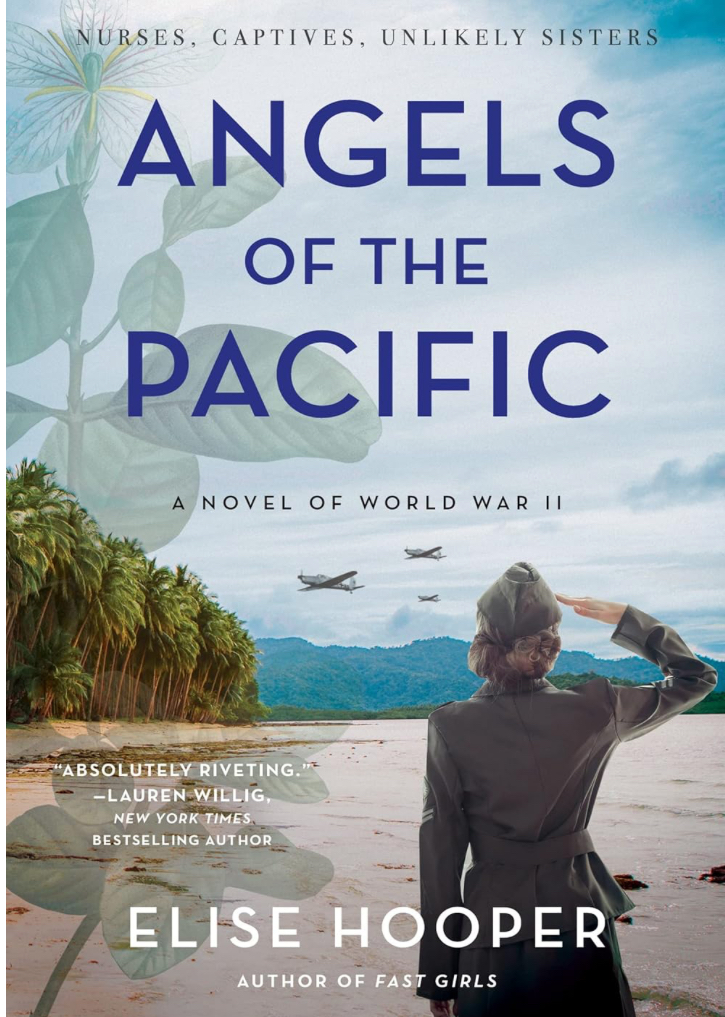
This many years later I read Angels of the Pacific by Elise Hooper and finally understood. Historical fiction, but carefully researched, Hooper writes of the World War Two Japanese attack on the Philippines one day after the December 7, 1941 bombing of Pearl Harbor. The story begins in Bataan and Corregidor west of Manila focusing on the American nurse taken prisoners there. It continues to their imprisonment in a P.O.W camp in Manila and introduces us to the underground Philippine civilians working against the Japanese occupiers.
Not for the faint of heart, the novel depicts the cruelty that went on during the occupation. While it doesn’t directly mention the death march, the overall grim picture of those years until 1945 let me understand not only Dr. Reese’s terrible teeth but also his miraculous survival. Military and civilian suffering was immense, many died, and many were permanently injured. Many survived, including many of the women characters portrayed in the novel.
I have always appreciated balanced novels set in wartime. The courage, perseverance and underground tactics of many during those times encourage me. For me these accounts speak out against the cruelty so often on display both then and now. They remind me that together we can always “find a way out of no way.”









 Saved By Words