”I Have Invitations “

In one of my favorite Adrienne Rich poems, “Thirty-Three,” she writes, “piece by piece I seem to re-enter the world.” Later she states, “I have invitations.” I am dipping my toe back into writing my blog in a similar way. Several people have encouraged me to post again saying they miss my take on the world.

I must admit that in the present chaos in the United States I often struggle to say something meaningful that is neither Pollyannish nor dystopian. But the world is much bigger than the United States and my thoughts range far beyond the present clamor of politics. Restarting the blog reminds me to focus my thoughts away from the shouting and division back to what endures: story, memory, family, books, the natural world and each other.

See you here tomorrow.
”All In Looking For Lucy”

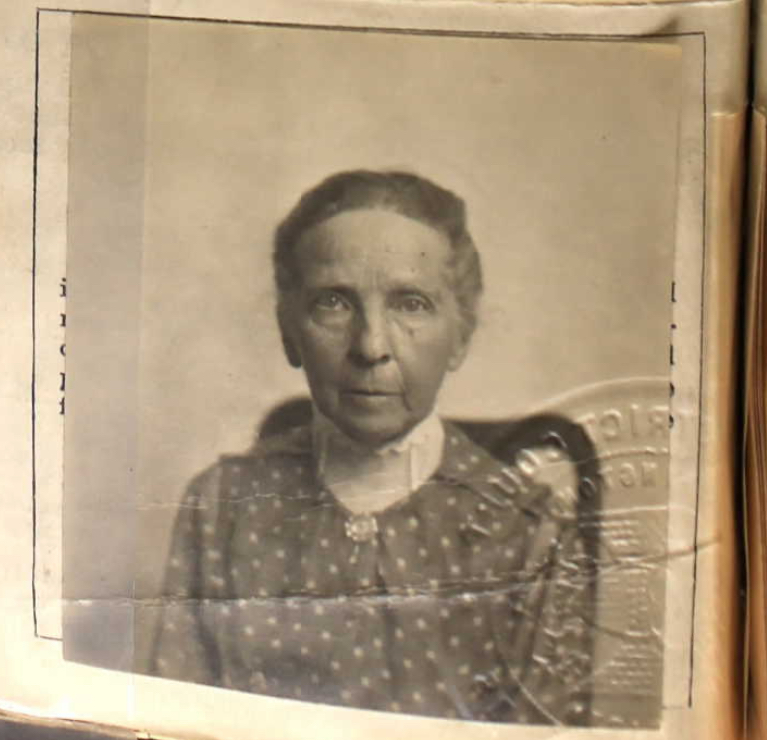
I have been sporadic at best lately in keeping up with my blog posts and my blogging friends. My attention has turned to the research and writing about my grandmother’s Aunt Lucy, shown her in her 1919 United States passport application taken when she was 66 years old. The only image I have of her is constrained by the demand to “look straight ahead and don’t smile” such documents required.

The same imagination and creativity I brought to more consistent posts is now focused on her. It turns out I can’t keep both activities going at the moment. For the while—and I don’t know its length—I will be off line. I am well and life is good right now. Nonetheless I feel I have real relationships on line which I don’t want to abandon.

(In the meantime, feel free to write me at betsyfrompike@earthlink.net)

Rest assured, I will post very occasionally as I move forward in writing her life.

”To Each Her Own”

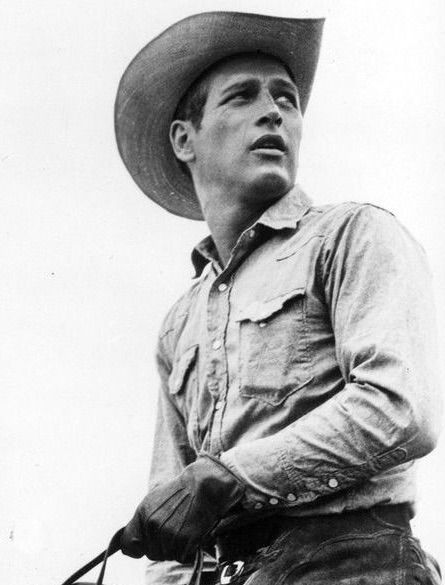
The summer I was seventeen I fell in love with Paul Newman as he appeared in “Hud.” I never really outgrew my love for the man. As we both aged, I enjoyed his new roles. Once we moved to Connecticut, I passed his town on the way to New York City and always yelled out “Hi, Paul.” Now I have to content myself with remembering the man.

I hadn’t really thought about that until I was talking about “Twisters” with my 17 year old granddaughter. She was raving about its male lead, Glen Powell. She knew all about him, including his previous screen appearances and shared that everyone was now infatuated with him. Since I had barely noticed that man when I was watching the film, I was fairly clueless about his appeal.

Once I put Paul and Glen’s photos side by side it was quite clear. He is simply the updated Paul Newman for a new bevy of 17 year old girls!

”Summer Blockbuster”

Charlie and I hadn’t been to a theater to see a movie since before the pandemic. We had seen several “art house” films, but nothing main stream. Tuesday we decided to take in “Twisters” an example of one of our favorite movie genres–the disaster film. Disaster films should not be confused with apocalyptic tales where bleakness prevails. In our minds a true disaster film should involve weather, fire, oceans, or animals run amok. And the people should triumph.

The first “Twisters” movie came out in 1996 and is remembered by many for its flying cow. At the time the graphics were quite impressive. Twenty five years later the kids who watched that first movie went to art school and mastered computer graphics. Their expertise dazzles and the end credits reveal many parents were smart to support their children’s educations. There’s money in “them thar” pixels.

Plot? Mammoth tornadoes chased by scientists and You Tube fanatics. Flying cows? No. Many flying chickens though. Redeeming social value? Dubious. Comment on climate change? Not a chance. We already know about the changing climate. We live it. Massive tornadoes are a part of that change here. Nonetheless it still felt great to watch people versus wind for two hours. And we left glad that they still make disaster movies like they used to.

”A Grand Display”

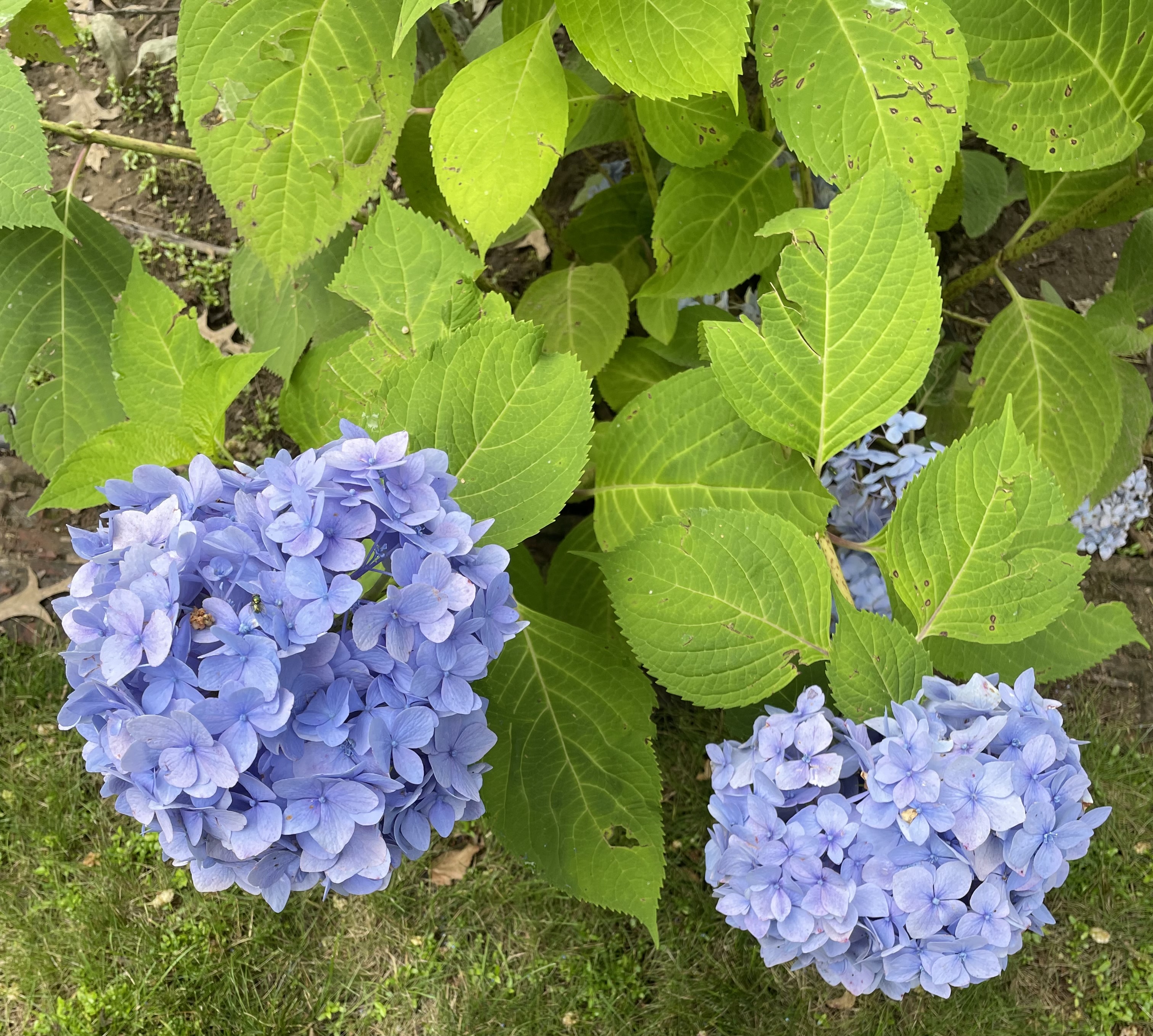
Over the last two weeks I have seen countless displays of hydrangea blooms. Here is one of ours already fading but lovely still. I wondered why I had been oblivious to the hydrangea bushes which seem to grow in most of the yards. How could I have overlooked such blue beauties. Then I read in our local newspaper:

One blooming nice thing about this summer: It’s a great year for hydrangeas.
Those big blue, pink and purple blossoms seem to be everywhere, even places where we didn’t notice them before.
“It’s all about the weather patterns,” said Marissa Agostini, greenhouse manager at Moscarillo’s garden
center and nursery in West Hartford. 
“It’s all seasonal, so every year is going to be different, regardless of how much food that you give it,” Agostini said. “This year is what we call a surplus year. Same with a lot of things. If you notice around, the daylilies are gorgeous.”

Hartford Courant

I like the name “surplus year.” I think we are all owed one after the lean years of Covid. I only wish we didn’t all seem to be squandering it in political upheavals. At least the hydrangeas took advantage by recklessly blooming away

”Clipping Service”

At one of my first jobs I was responsible for reading the two daily newspapers and cutting out any articles that mentioned the political campaign I was working on. I was a miniature clipping service, mimicking a commercial operation hired for larger organizations. But the clipping services I am more intrigued by are the personal ones and the ways technology have changed them.

My late mother-in-law frequently sent us letters detailing her daily life and enclosing assorted newspaper clippings. I rarely understood the importance of the news articles because I had no connection with the places or people. But I failed to see past my disinterest. Now I belatedly realize that in so many words she was saying to us “I thought of you when I read this. I miss talking in person. When you read this I hope we are connecting somehow.”

Today the same phenomenon takes place, this time with forwarded articles from the internet. Whether or not the sender is correct in assuming the recipient will be interested, I think the unspoken message is the same. “I thought of you when I read this. I wish we were at the table reading the newspaper together. When you read this I hope we are connecting somehow.”

I will try to remember this next time someone sends me a forwarded story. There are many ways to say I am thinking about you.

”I Wish I Were Making This Up!”

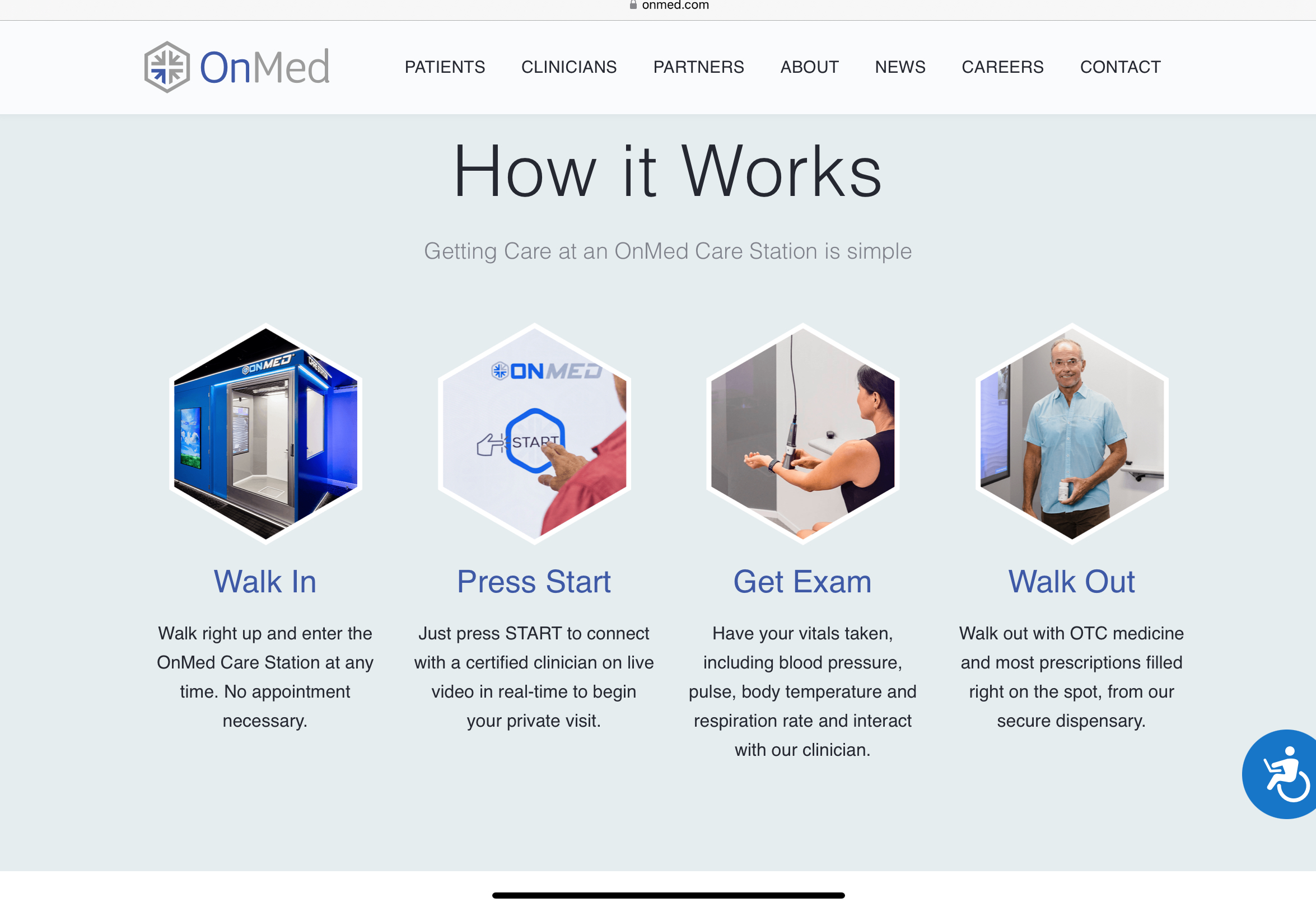
A couple of days ago I saw an advertisement for a local healthcare conglomerate. They have been quite active buying up small hospitals and physician’s practices lately and have in fact been sued by some. But this new enterprise amazed me. This “service” which you can explore further at their web site https://onmed.com/ promises an exciting new way to “see” the doctor.

After commiserating with the difficulty of seeing your own doctor, this option assures you that this will be just as good. I find that ironic since the same company urges you to always have a primary care doctor. And most insurance plans here insist on the same. But apparently even your doctor can be outsourced to this video/camera encounter.

As you can see from the promotion material, they omit the touch and smell that a real doctor uses when making a diagnosis. But perhaps they will find a way to add this to the robot camera that descends from the ceiling for a visit.

Somebody tell me I am having a very bad dream!

”Good Humor”

Stock photo

Now that it is summer here the street frequently fills with the tune “Turkey In the Straw” coming from an ice cream truck trolling the neighborhood looking for kids with money in their pockets and time on their hands. Although I get tired of the jingle which keeps playing in my head long after the truck has turned the corner, it does take me back to 1958.

That summer my mother, siblings and I went to New York State to visit all the “East Coast” relatives. At my cousins’ house I was introduced to the marvel of the Good Humor man. In Oregon we lived in a neighborhood without any commercial development, and the only food on a truck was from Jasper the greengrocer. I was astonished at the chance to buy ice cream outside my cousins’ house. I settled on a Toasted Almond Bar. Nothing had ever tasted so wonderful.

I never had the chance to buy from the Good Humor truck again. As an adult I discovered Good Humor bars in the ice cream section of the grocery store. I tried a Toasted Almond. Apparently most of the thrill came from buying one aged at 11 in New York. The packaged one left me cold. (pun intended.)

”A Full Circle”

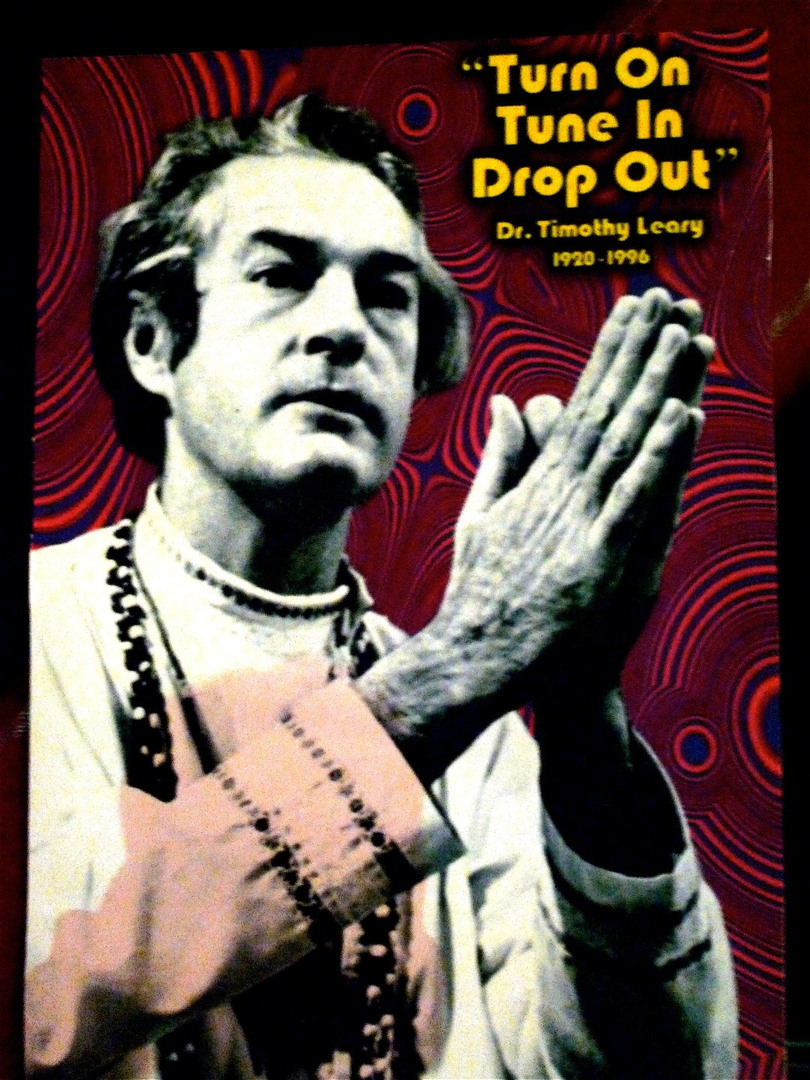
Two years before I arrived in Cambridge, Massachusetts in 1965 Timothy Leary on Harvard’s faculty had been fired after his experimental research on LSD(psilocybin) may have involved students without their awareness. For years after, debate raged about the use of “acid,” with many young people “dropping it” and many lawmakers concerned about its use. Eventually it became illegal.

Recently LSD is back in the news, touted as a tool for the treatment of many kinds of mental illness. Rather than being seen, as it was in the 1960’s, as a cause of mental breakdown, some say it may help. At any rate, laws have kept pace resulting in the legalization or decriminalization in many parts of the United States.

I notice with amusement that Cambridge has allowed it once again! Full disclosure: I have never used the stuff despite much encouragement from college friends. It has no more appeal to me now.

”Effortless Weight Loss?”

I first encountered the author Johann Hari when I read Stolen Focus about the effects of electronic devices on our attention span. His honest discussion of his own struggles along with research he did about the phenomenon allowed me to think through the issue. Here in Magic Pill Hari thoroughly explores the introduction of the drug Ozempic(and its near kin) now being used to lose weight. Injectable, the drug has a dramatic effect, not only reducing weight but helping with obesity related problems such as diabetes.

Having lived through a myriad of “instant cures” for weight loss beginning with Metracal in 1966, I was intrigued by this new approach. In addition I was curious about the surge in obesity in the last 40 years. What has been going on and why was a new and very expensive drug needed to “cure” it?

I have no interest in using the drug, but I am fascinated by its current popularity. Hari does an excellent job of addressing many of my concerns. Why is there more obesity? How does Ozempic work? What are its long term consequences?

The book captivated me and I think it will engage many others, whether users, prospective users or “not in this life” readers. And my personal bias after reading the book? I think big business has come up with an expensive solution to a problem that big business–the processed food industry–created. Hari remains fairly neutral. Let me know if you have thoughts on the matter.