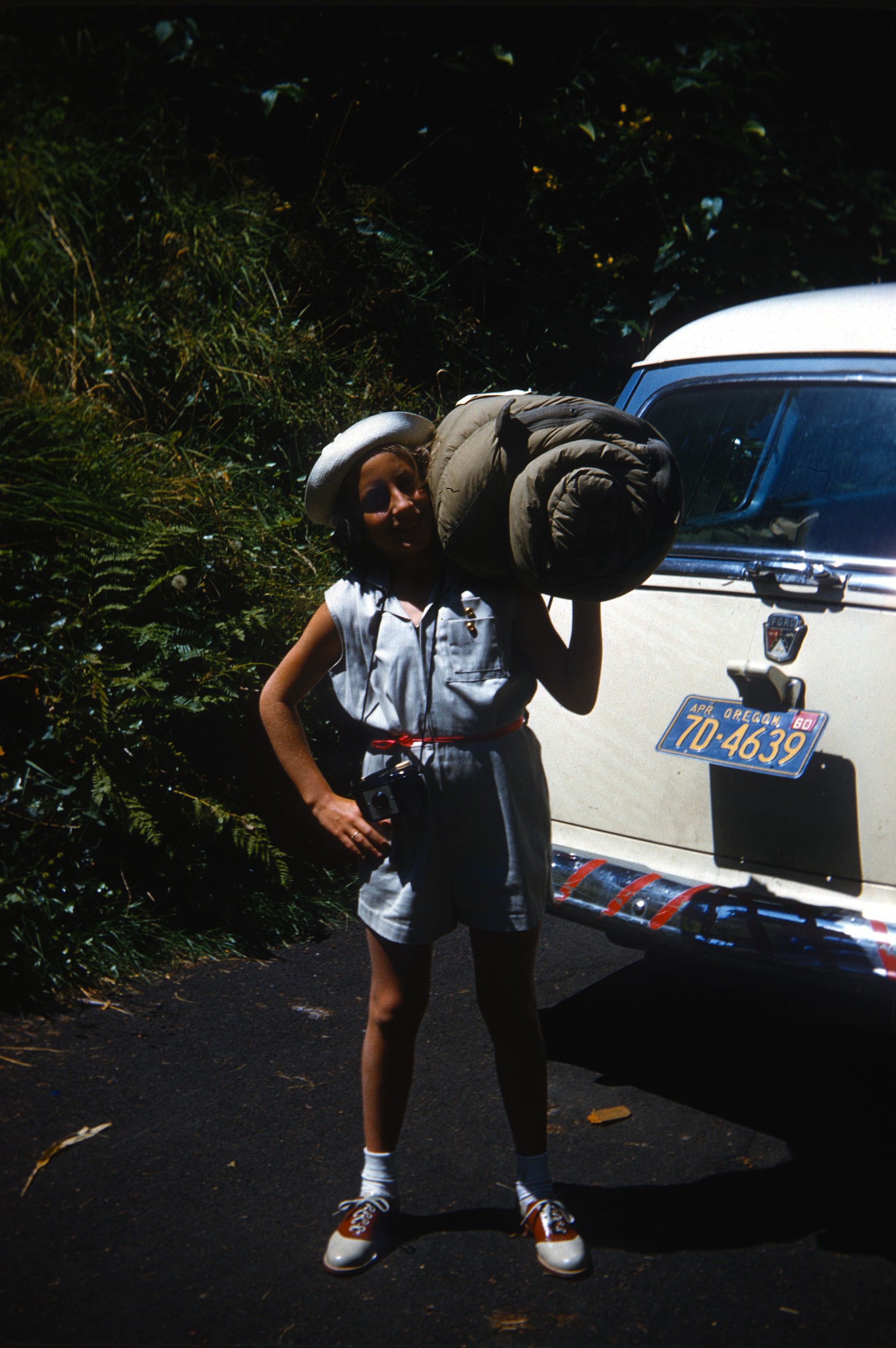
“War Surplus”

Yesterday our church bulletin mentioned a need for blankets and sleeping bags to hand out to people who come to our doors. Winter in Hartford challenges us all, but none more so than those who are without homes. Since we are an urban church known for hospitality, such ones come for help.

I remembered Andy and Bax where we bought our blankets and sleeping bags and their title “war surplus.” Then I stopped my time travel and realized that we bought those items in the early 1950’s, in Portland, Oregon, and that I was in Connecticut in 2020. So I would definitely need another source.

But for a brief time I could remember everything about those blankets: their drab color, their scratchy surface, and their warmth. Then I thought of those “mummy” sleeping bags, left over from the Korean War, which released feathers every now and then but were incredibly warm. I took one to camp each summer and stayed toasty. The only challenge was waking up with my face anywhere but in the small opening in front. Trapped backwards in a “mummy” bag was not for the faint of heart.

I never thought about the phrase “war surplus” when I was a kid, but most of our camping gear from the pup tents to the sleeping bags was in fact left over either from World War II or the Korean War. The combat was recently over when I was growing up, and I thought of those soldiers in the freezing winters in Korea when I climbed into my “mummy bag.” I pondered if they ever woke up like me in the night, backwards in the bag, and wondered if their end had come.
“Now You See It”

I read an article the other day that said that the age group most affected by social media was the elderly. Since covid came out, I realized that the category of elderly means anyone over 65, including me. Apparently my cohort is most susceptible to finding misleading information on line and believing it. From thinking that covid is a hoax to taking aquarium cleaner to combat it(and then dying) we seem unable to separate truth from fiction on line. I have been reflecting on that for a while and thought I might explore the reasons for this phenomenon.

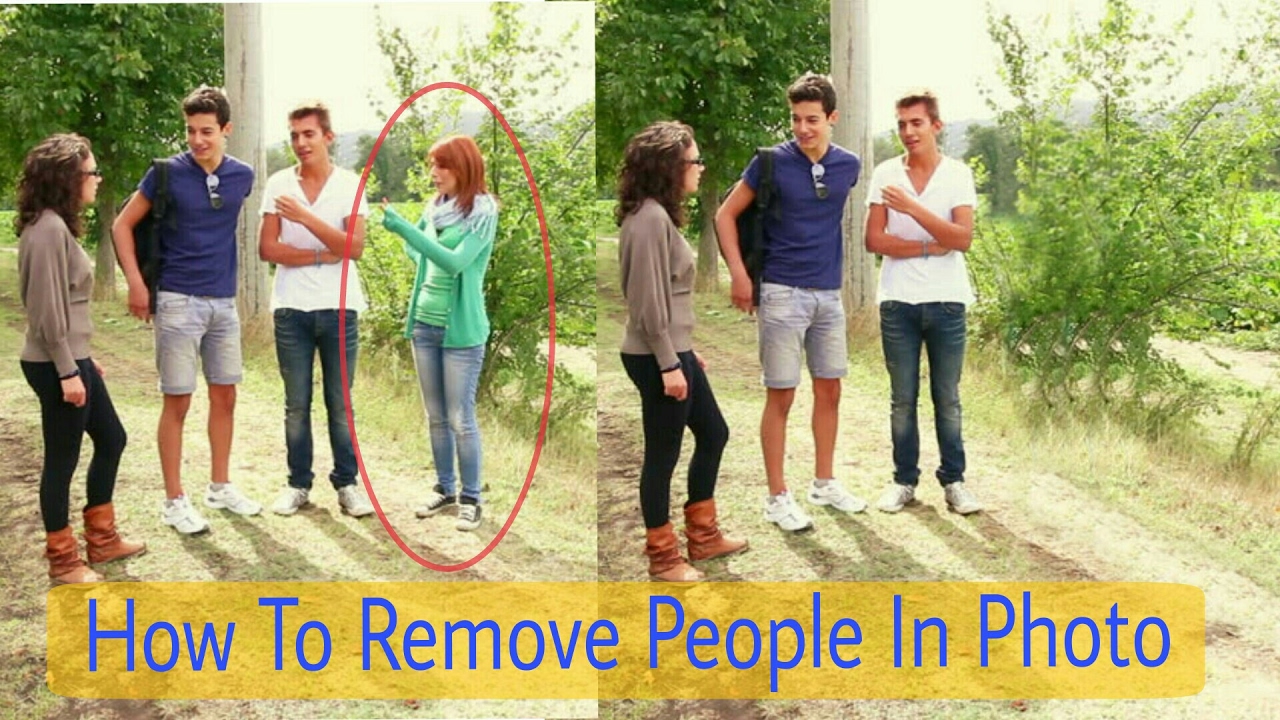
For many years if we wanted to remove someone from a photo we had to use scissors. Of course when looking through a photo album it became quite clear that something had been altered. People my age generally assumed that a photo was an accurate depiction of an event. If someone was missing it was because they had been literally cut out.

While many of my readers are well aware of the abilities of Photoshop and other editing software to alter images, many older people are not. To the uneducated eye, the photo on the right is as true a depiction of a gathering as the one on the left. Photoshop has removed the shadow of the far right person and filled in the space with grass resembling the rest of the landscape. Now she was never there. But more damaging is the same ability to insert someone into a photo. Now suddenly Obama is talking to terrorists thanks to Photoshop. And many older Americans will believe it because they trust that seeing is believing.

We are the generation propagandists have heretofore only dreamt of.

“Consider the Source”

In a time filled with speculations, tweets, Facebook posts, sound bites and 24 hour news cycles, it is easy to become lazy about identifying sources. We hear so much about “an insider” or “someone at the company” that we can forget that actual source material remains important. At the moment I am reading a history of the immigration policy of the United States from 1924-1965. One Mighty and Irresistible Tide by Jia Lynn Yang, copyright 2020, is, I am happy to report well edited.

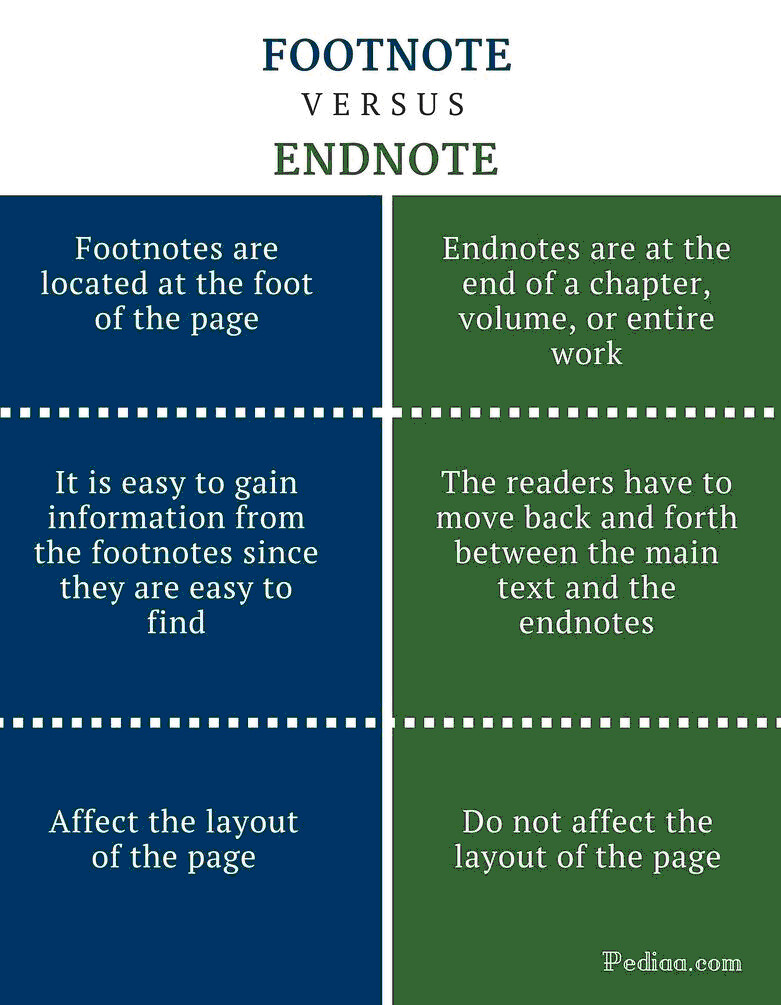
But more important in the present climate of half baked ideas and carelessly thrown out opinions, Yang has not only done her research but also included endnotes and a thorough bibliography. This allows the reader to check the author’s sources of information and, if desired, read them for herself. Footnotes may annoy readers since they “affect the layout of the page.” Endnotes may annoy readers since “the readers have to move back and forth between the main text and the endnotes.” And in both cases the reader can forgo reading them. A bibliography can seem like a lengthy boast of the author to intimidate the reader about the writer’s lengthy reading.

But after seeing too many poorly edited, poorly sourced books lately, I am grateful for the opportunity a writer such as Yang presents. I don’t have to read any further about immigration, nor do I have to question Yang’s conclusions. But she has provided me with the sources she has used. She welcomes me with her endnotes and bibliography to explore the subject further to my heart’s content. I might draw different conclusions from the same sources, but I will know she has thought deeply about them before reaching her own.

“Herd Insanity”

When the first large group of covid cases showed up in Connecticut, they were attributed to what is now called a “superspreader” event. In this case it was a large party, attended by over fifty people, who were exposed to someone with the virus and many of whom fell ill. At the time we had little or no knowledge of the transmission efficiency of this virus and hadn’t yet issued advice to the public. For a while we were just advised to stay away from each other and wash our hands often. In fact we were asked not to wear masks so they could be used by medical professionals.

In time the greatest risk factors were developed and general advice was given to the public to wear masks, wash hands frequently, stay out of bars, practice social distancing and avoid large indoor gatherings. My state government followed all these dictates and Connecticut has been able to hold its infection rate to among the lowest in the nation. We all still are to follow the advice first given in late spring to wear masks, stay six feet apart and wash our hands. Bars are still closed and indoor gatherings are limited in size.

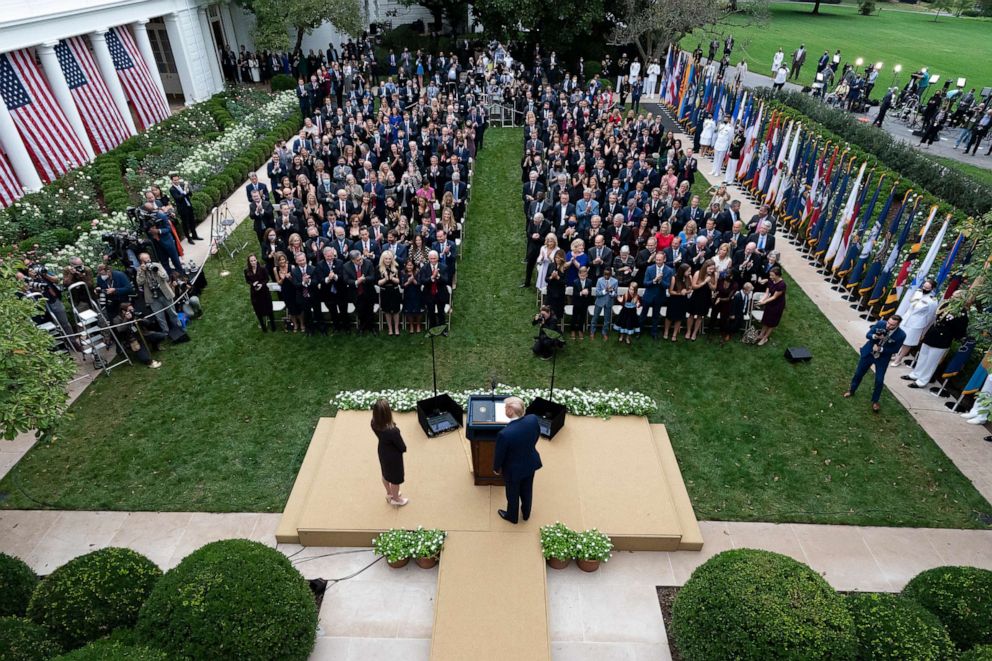
Tragically or foolishly depending on your view of things, the White House held what is now believed to be a “superspreader” event of its own to introduce a Supreme Court nominee to a gathering of leaders. As you can see from the photos, no social distance was provided and few wore masks. In a group setting where the guidelines were disregarded most attendees followed the “herd,” putting their own and their families at risk. Many attendees, including the leader of the United States, caught covid.

As a country we deal with a virus grievously out of control, felling some 40,000 people a day with our death toll over 200,000. Next time you feel peer pressure to be like the others in a social setting, take a deep breath(far back from the crowd) and just say no.

“Natural Consequences”

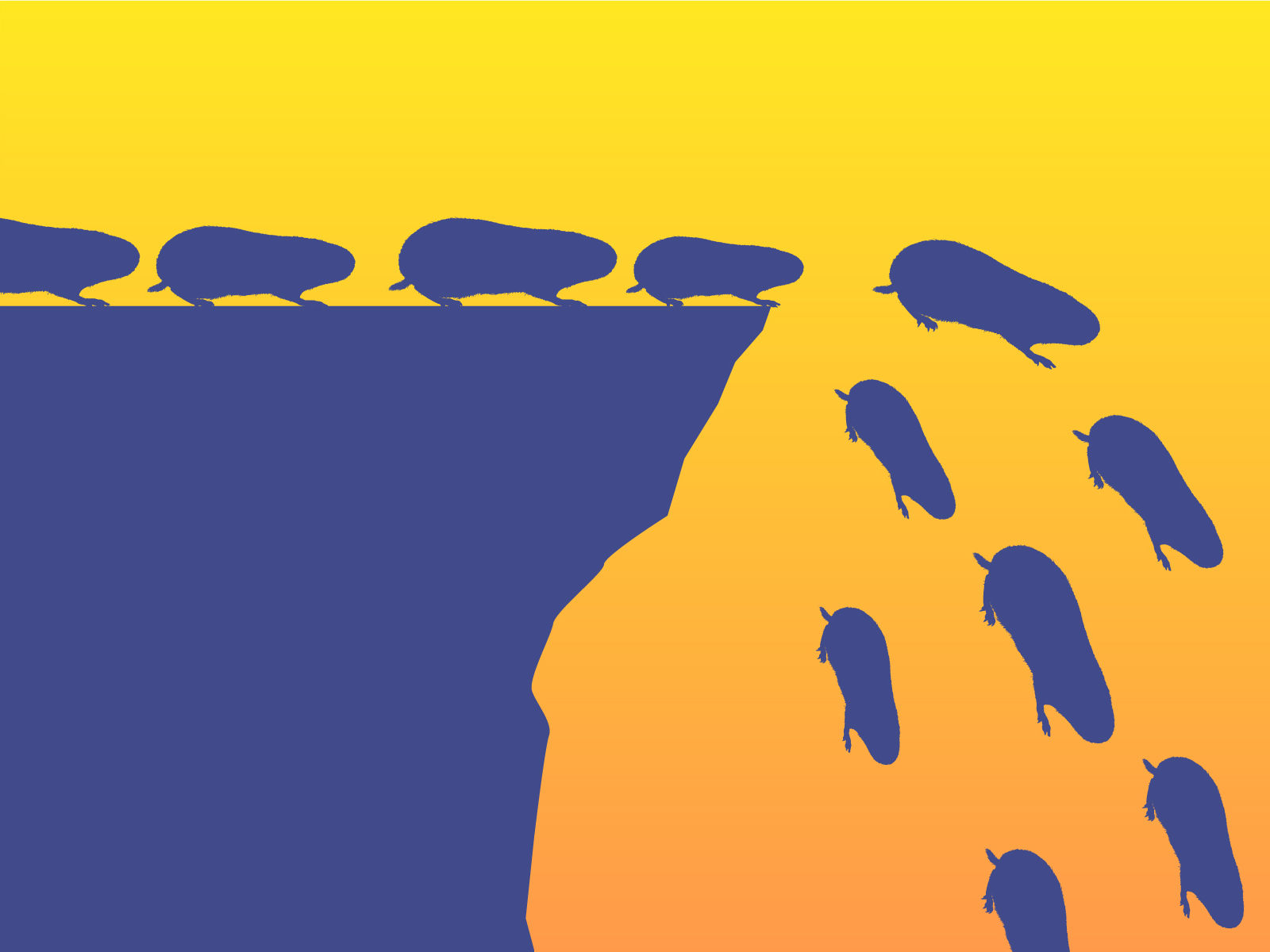
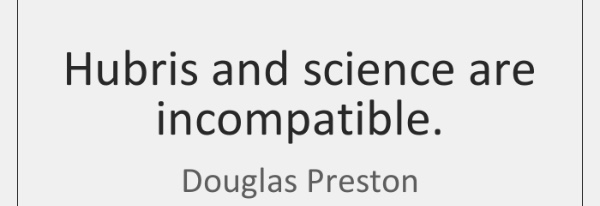
I hope that the President fully recovers from the covid virus that he has now contracted. There are no sounds of rejoicing on my end. But I have often thought of Oedipus and Icarus as Trump insisted that he wouldn’t wear a mask despite endless recommendations from medical and scientific professionals. Sadly the press reports that many people in the White House, out of deference to his disdain of masks, also failed to wear them.

There are reports lately of “pandemic fatigue,” prompting people to forgo masks and social distancing. I tried to imagine people in England complaining of “bombing fatique” and deciding to end blackout curtains. Somehow despite the occasional use of the word “war” in relation to the virus, many people still don’t recognize the need to follow common sense recommendations to combat the “enemy.”

As a parent I had many opportunities to recognize natural consequences, those that follow as a matter of course from certain behaviors. Forgo dinner and you will get hungry later. Stay up too late watching television and you may be underprepared for a school test. And sometimes, despite grumbling, I said the natural consequence of not buckling a seat belt meant I wasn’t starting the car.

The virus now rampant in the United States is apolitical. We have very few ways to prevent its spread, but we do have them. Wear masks. Socially distance. Wash hands. Stay out of bars. Avoid indoor crowded conditions. None of us is too important or too tired or too annoyed to do any less.