“Reflections on An Aunt and An Ort”

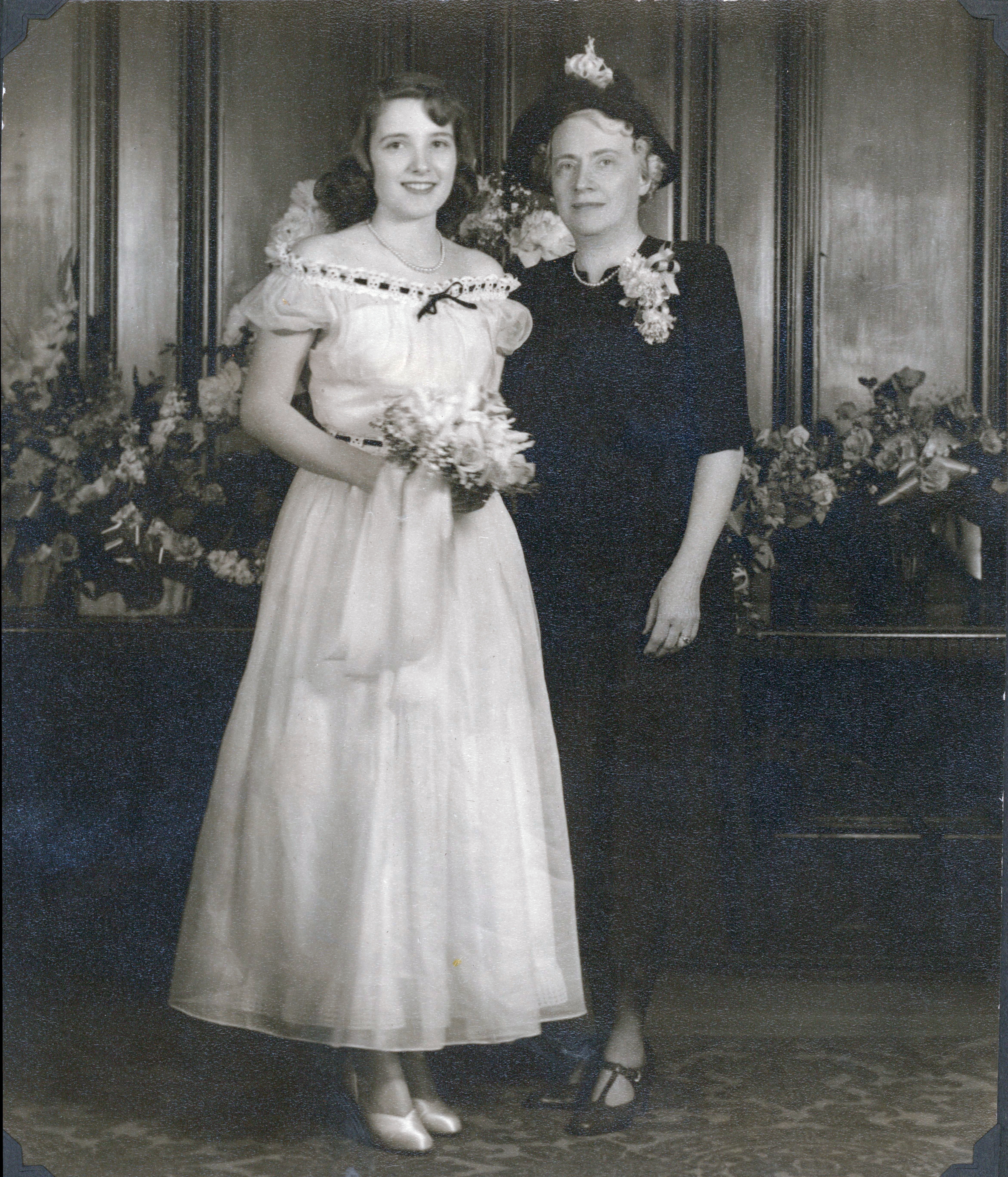
Great Aunt Elizabeth and Great Uncle Alec in Pike Cemetery

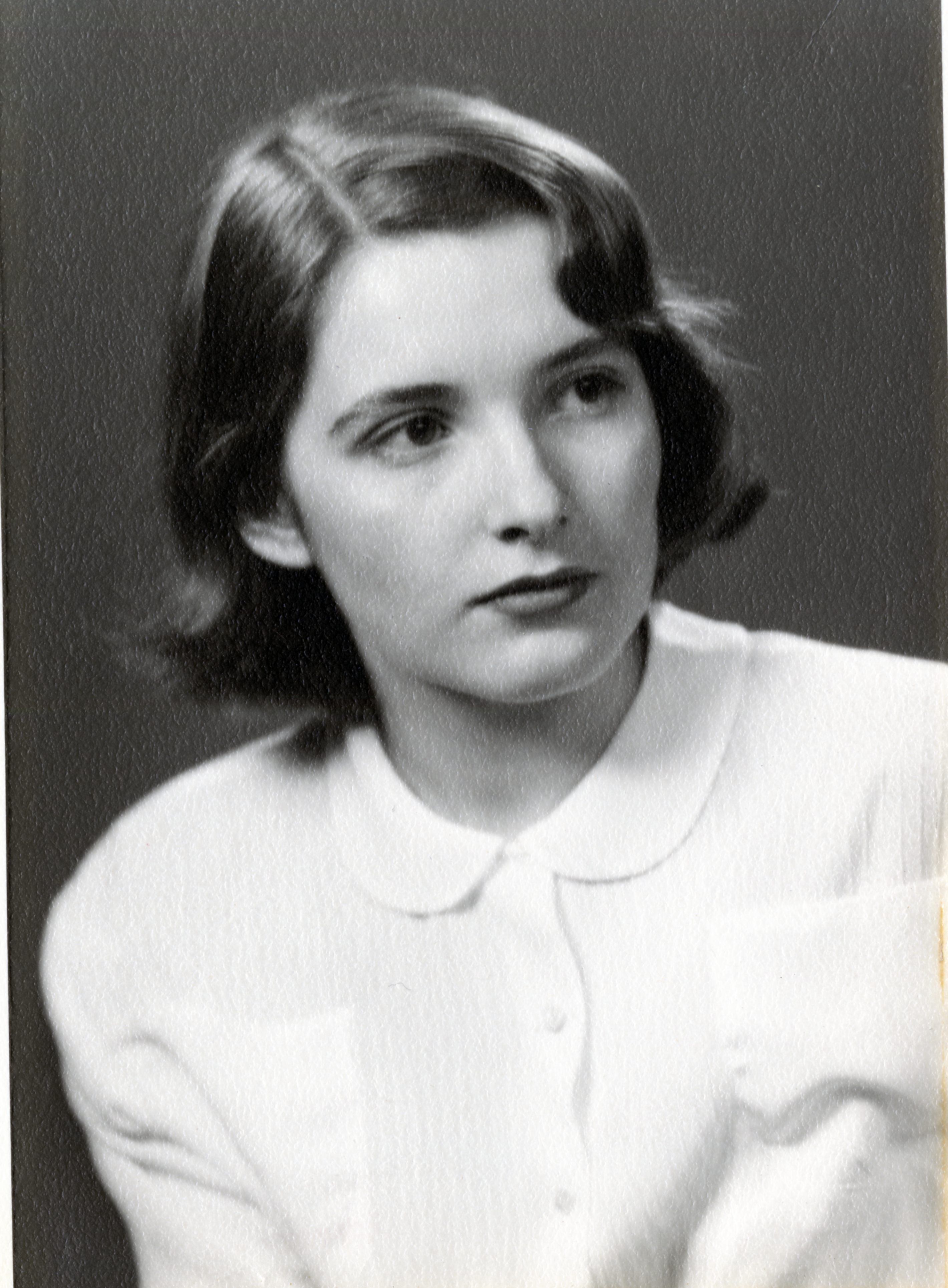
I first started writing about Aunt Cary inspired by the recently published book about the Barbizon Hotel in New York City where she once resided. Then when I began to remember so much more about our relationship I added a number of blog posts. What I hadn’t realized was that while I knew of Cary’s descent into what we would now call bi-polar disorder it might would startle my readers. I also hadn’t known that readers would be moved by my experiences with her.

I write very little about my family of origin, respecting their privacy. However, what is true is that I never had the opportunity to grieve my relationship with Cary with them. The only story that stayed alive in my family was that Cary took her life in 1969. While that is grievously true, it is the least important part of the story of Cary. As I wrote the posts, I came to truly understand that she was so much more than her death. Her laughter, her energy, and her love, were essential parts of her.

We know so much more about bi-polar disorder today, but it still claims far too many sufferers. Whether in a manic phase feeling invulnerable or in a depressive phase seeing no reason to go on, the disease removes the person from the center where they are truly themselves. I hope that my writings paid tribute to that wonderful core that was Aunt Cary.

And I also pause to note her other favorite words which pepper my speech to this day: hoot, snazzy, and of course, ort.

“An Aunt and an Ort, 5”

The last time I saw Aunt Cary was in February of 1969. My paternal grandmother had died and a service was held in a New York City funeral home. The service was void of any meaning since the presider had no information about her. The only attendees were my father, his brother my uncle, several cousins, me and Aunt Cary. This grandmother was tolerated rather than loved, and there was not much grieving going on.

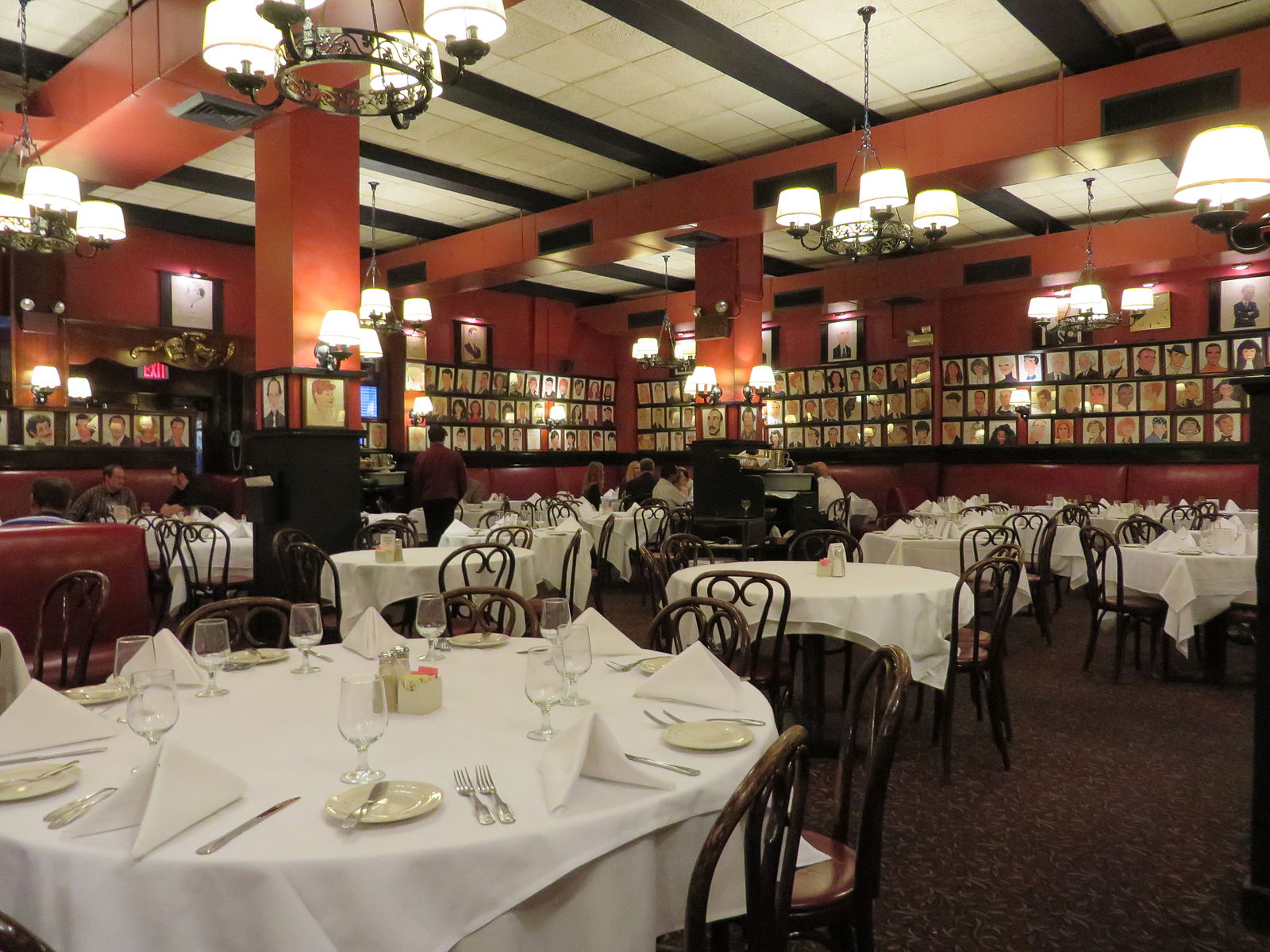
As we stepped out of the gloom of the stark room onto West 43th Street, Cary exclaimed, “Let’s all go to Sardi’s and have a drink!” It was the perfect suggestion to cap off a dreadful early afternoon. We walked over to West 44th, pushed a couple of tables together, and all had a drink. No one goes to Sardi’s on a non Broadway afternoon, so we had the place and the autographed caricatures to ourselves.

I will always remember that afternoon as Cary brought our sorry group out of the secret guilt we all held from our lack of grief. Laughter, a drink, jokes, and tales about everything except Gran redeemed the time.

“An Aunt and an Ort, 4”

While that was the last time Aunt Cary came to Oregon, it was not the last time I saw her. Fortunately she gained some stability and moved back to New York City where she had been living before her breakdown landed her with her parents in Chicago. She took up residence in the Barbizon Hotel, recently featured in the book just published by Paulina Bren, shown above. It was seeing this book title that actually sent me first to buy the book and then to begin to remember my life with Aunt Cary.

From 1965 through June of 1969 I lived in Cambridge, Massachusetts, a three hour bus ride away from Manhattan. I went there numerous times, staying with either friends or relatives in suburban New York City. On one of those visits I arranged to meet Aunt Cary outside The Barbizon. I am sorry that I never got a peek inside, but the book has given me a good sense of why she may have lived there. While she worked on and off, I believe that my grandparents helped support her financially. They would have felt reassured that she was living in an all female, doorman guarded, building in a respectable part of the City.

She was delighted to see me and insisted we must go to the place “where business men took their paramours in the afternoon.” We walked perhaps twenty minutes over to The Russian Tea Room. I remember being awestruck by the over the top decorations and kept looking for any furtive looking men in suits. It was great fun, though I doubt we spotted any.

I bid her goodbye and went back uptown to friends.

“An Aunt and an Ort, 3

By the next and last time that Aunt Cary came to visit us in Oregon, something seemed different. I was about to enter high school and was pretty occupied with myself, but still felt an unwelcome sense of unease some of the time I spent with her. She stayed awake most of the night then slept late in the morning. She talked faster and seemed restless in a way I somehow unconsciously noticed. Only in looking back now can I clearly describe what I experienced then. At the time the only awareness I had was that she and my mother argued a lot about her sleeping pattern. In retrospect I don’t think my mother understood what was happening either.

For a break from the tension and a treat for my aunt, she, my mother and I went to the Oregon Coast for two nights. Above is a photo I love of Aunt Cary at Cannon Beach that September of 1961. Fortuitously enough, I “became a woman” the first evening. Who better than Aunt Cary who whooped, opened a bottle of sherry and toasted my maturation? My practical mother went to the store for supplies. I needed them both that time.

The next time I saw her was in Chicago on my way to college in 1965. She was a patient in the Illinois State Hospital, in a locked ward, deeply depressed and unkempt. I was heart sick to see her in such pain. Still she grinned at me and in true Aunt Cary fashion said “You look quite collegiate.” I felt blessed once again.

“An Aunt and an Ort, 2″

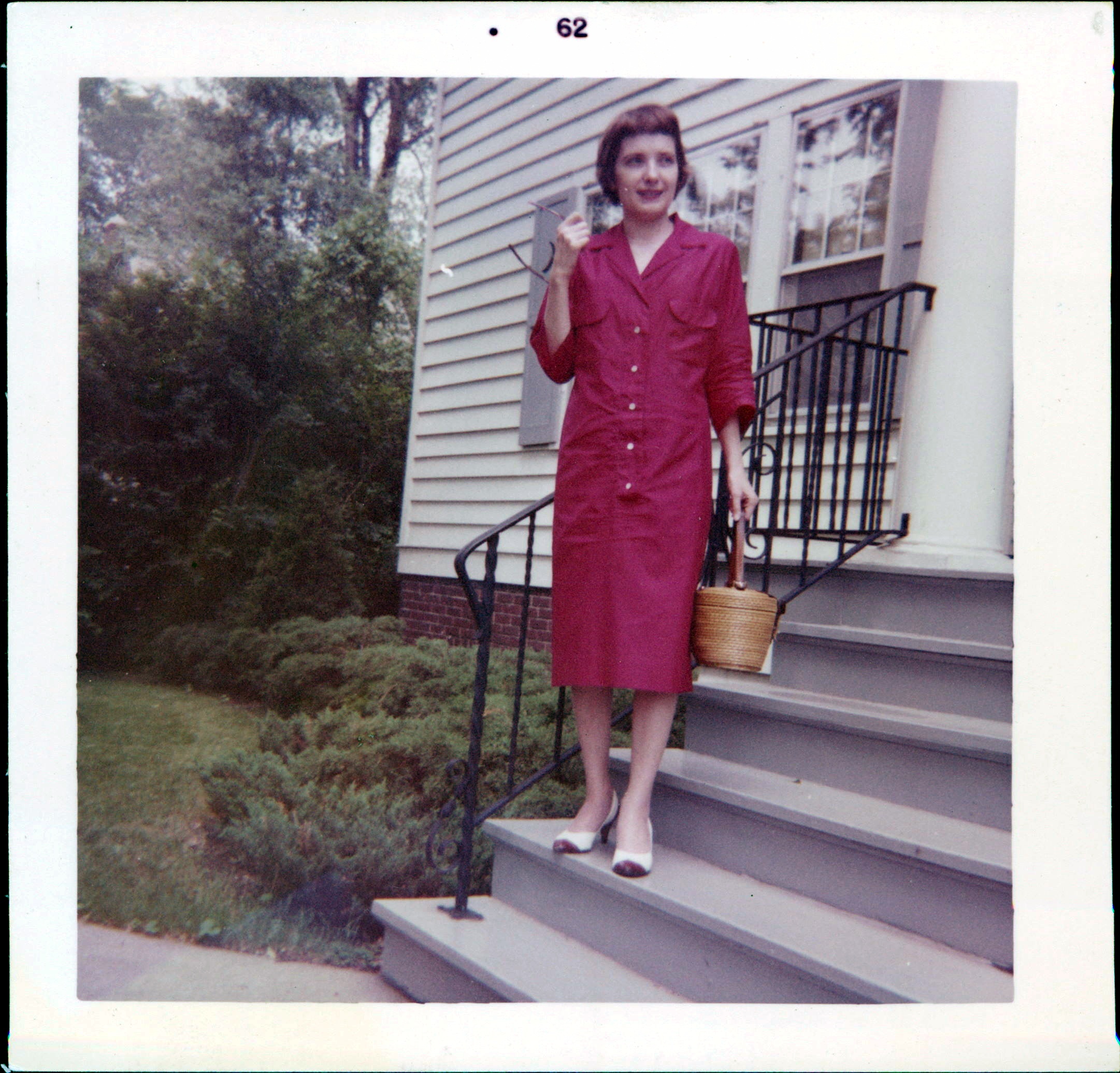
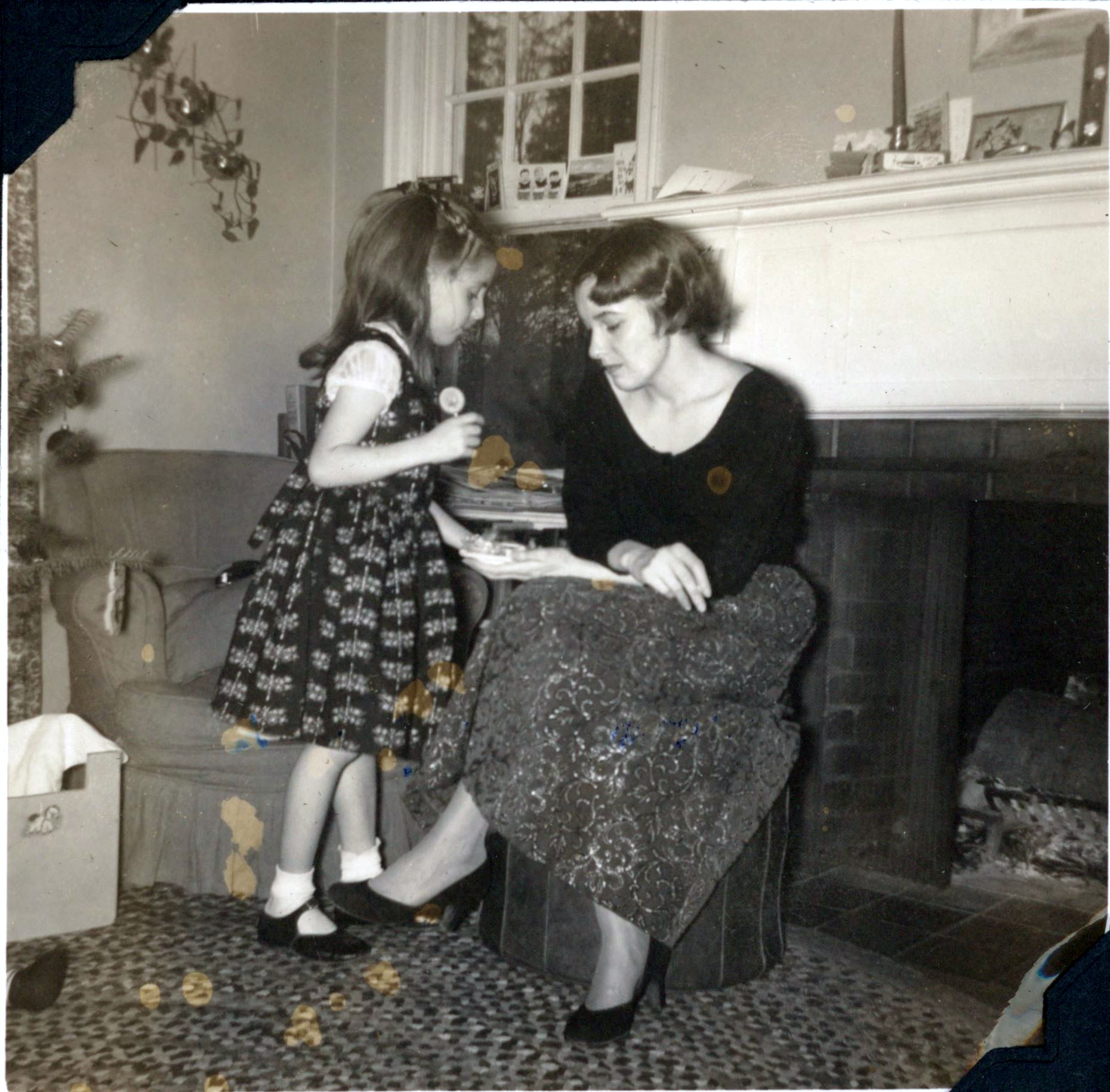
Aunt Cary was the most glamorous woman I knew. My mother was frazzled with her three children and one on the way. Aunt Cary remained single throughout her life, lived in New York City, and had the luxury of velvet skirts, stylish hair and very high heels. Here I hand her an ash tray so that she won’t have to look for one. A chain smoker, Cary rarely was without one of her Camels.

Many years later I learned that my mother and aunt had a falling out this particular Christmas. They disagreed vehemently about my parents’ marriage. I am sure it looked very different to each of them. At any rate, she didn’t visit again for a few years. I knew nothing of that. I was just glad that she had brought me a very pretty dress and a French lollipop with a flower center. An exotic treat since we rarely had candy. I couldn’t wait until she came again.

“An Aunt and an Ort, 1″

Everyone should have one relative who is absolutely crazy about her. In my life that was my Aunt Cary, my mother’s much younger sister. Adopted when my mother was nine, Cary and my mother were never terribly close though she did visit with us from time to time. But my relationship with Aunt Cary began in the summer of 1948 when my parents went West to look for work leaving me with my grandparents and my sixteen year old aunt. We spent several months together at my grandparents’ summer home that year. When my mother returned to New York to get me, she had hepatitis from severe mononucleosis and had to rest for a while. My day to day care fell to Aunt Cary.

As you can tell from the above photo, Cary found me fascinating. Here I seem to have brought her a leaf, and she is as intent on it as if I had brought her a nugget of gold. I have photos of my walking with her, lying in the hammock with her and playing croquet(as if a one year old could play croquet.) She celebrated my first birthday with me while my parents were away, making, I am sure, a big deal of it. For Cary many things were a big deal.

She called me “Ort.” It’s a true sign of a connection when an adult has a special word they use just for you!

“Say What???”

As my skill at solving the New York Times crossword puzzle every week might demonstrate, I know a little about a lot of things. However, after reading Adam Grant’s recent challenging book Think Again (Viking Press 2021), I confess that there are many more things about which I know at lot less than I think I do. It turns out knowing a little about many things does not equal knowing any of them in depth. Subtitled “the power of knowing what you don’t know,” Grant effectively convinced me that while I hold countless opinions (as do most Americans) I have very limited bases for many of them. My views seem to have been hobbled together from brief newspaper articles, conversations with friends, an occasional documentary film and my personal experience. Grant would maintain it would be not just humbling but in fact empowering to admit my ignorance.

A few months ago an experience with my granddaughter illustrates his point. Her extended paternal family is largely Republican and she wanted to know why I was a Democrat. A perfectly sound question from a 13 year old to her elder. My first response was the honest admission, “I guess I have always been a Democrat. My parents were Democrats. My grandparents voted for F.D.R.” Listening to myself, I realized that my response was embarrassingly close to the truth. She, of course, has only learned of the very left wing Democrats who are currently espousing socialism as the cure to society’s ills. I am not a proponent of socialism, so she needed more explanation.(My views on socialism, by the way, are no more rounded out than many of my opinions!) I told her that the Republican Party as it presently stands seems to me to promote the wealthy and the Democratic Party looks out for every one else.

But she made me realize that I have not had an in-depth conversation about politics rooted in deep thought in many years. Grant would maintain that the situation is the same for many areas in which we hold strong opinions. He says we lose out by keeping to our own views and never encountering any others. One of his points which I intend to remember in the future is “approach disagreements as dances, not battles.” It’s certainly worth a try.

“A Perfect Post”

I woke up at 3 in the morning last night and composed a perfect post. It had a witty title, read with ease, made a good point in just enough words, was sure to engage my readers, and was laid out in my mind. I was so certain that I would remember the whole thing in the morning that I didn’t write it down. I awoke this morning with no clue about that post. It apparently has disappeared into the ether of my brain.

It is one thing to forget why I came into a room or to forget to return a call in “just a few minutes.” But this, I assure you was a perfect post. And it is gone. No matter how I lay down on the bed again(maybe posture will bring it back) or huffed and puffed around the kitchen fixing breakfast(maybe it needs a distraction) I could not grab hold of a single thought to retrieve it.

Well all I can say is I guess you have to believe me. I certainly do!

“Imaginary gardens with real toads in them”

Marianne Moore writes in her clever poem Poetry which begins “I too dislike it,” that sometimes a poem can offer up “imaginary gardens with real toads in them.” This line came to mind as I was reading the recently published historical novel Those Who Are Saved by Alexis Landau. The story relates the decision, made in the belief that it would save her, that a Jewish couple in France makes to leave their young daughter with a farm family as they are being interred in a “work camp.” In a horrid irony, the couple escapes to the United States but is unable to take their daughter with them. The novel focuses on the pain of the separation and the long search to reunite the family.

There are many approaches to historical fiction. Some focus on meticulous research about appropriate details but with invented characters. Some use actual characters and invent the details. In both cases the writer can succeed or fail, less on the details but more on the strength of characterization and plot. But Landau, whose details, plot and characters are generally convincing, adds a third approach. She invents the central characters but places them in the Jewish emigre community of the 1930’s in Los Angeles. Here the actual writers, artists, film makers, actors, singers and psychologists appear as friends of the central characters.

For me this aspect of the book was the most compelling. While I was aware of the large Jewish emigre community in New York City during the same time frame, I was unaware of the parallel group in and around Los Angeles. Apparently I shared this ignorance with the author, a Jewish woman who had grown up in the area with little familiarity with its history. Although I would never characterize the real people in the book as “toads,” I do think the writer very skillfully inserts actual people into an invented scene, proving Moore’s point that we are drawn into such portrayals.

Even though I cannot wholeheartedly recommend the novel because of occasional plot devices which left me cold, the book definitely captures both the atmosphere among Jewish emigres and their constant anguish from having escaped a fate in Nazi Europe unlike so many of their friends and family. That alone made it worth reading for me.