“War Surplus”

Yesterday our church bulletin mentioned a need for blankets and sleeping bags to hand out to people who come to our doors. Winter in Hartford challenges us all, but none more so than those who are without homes. Since we are an urban church known for hospitality, such ones come for help.

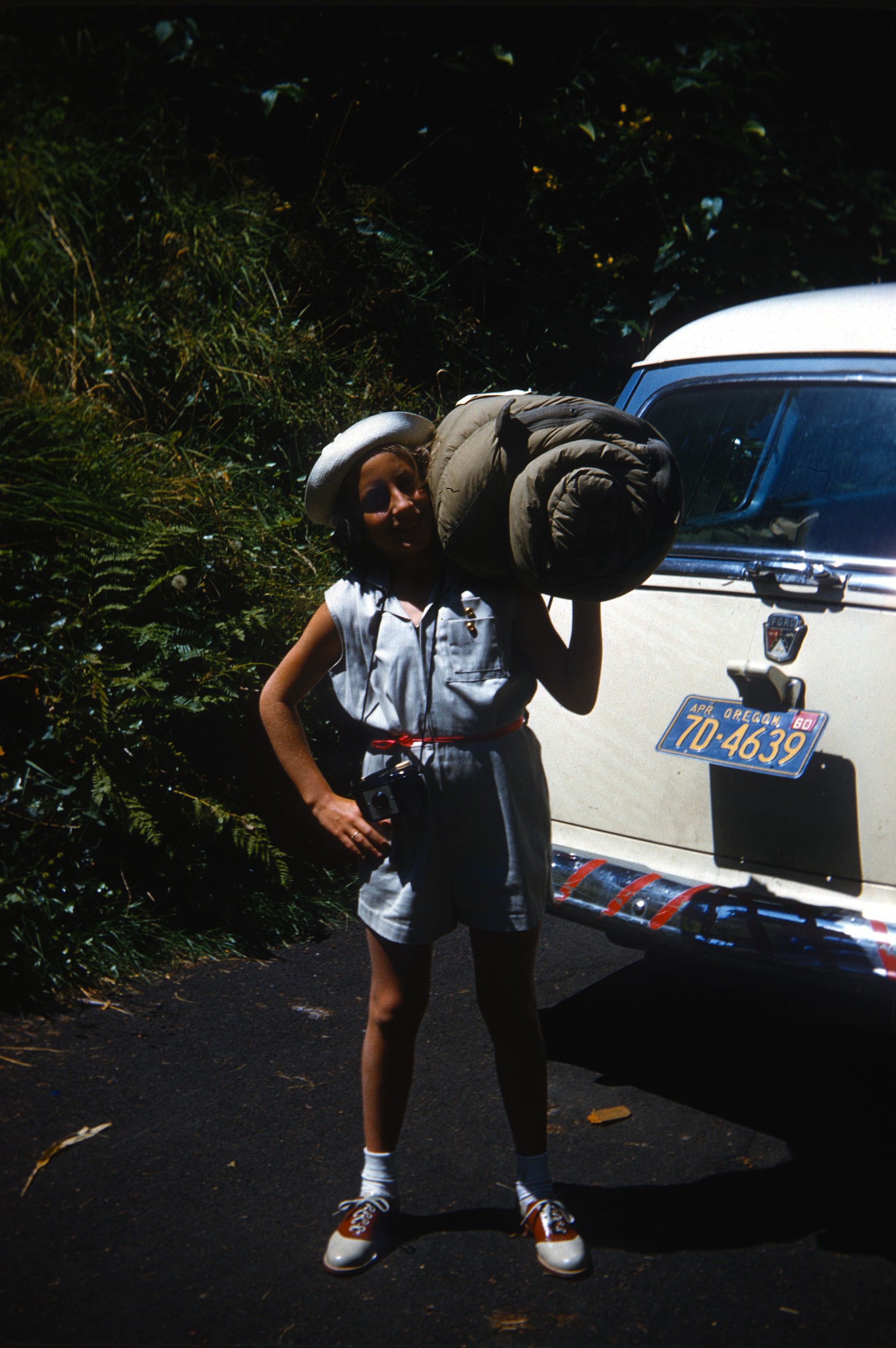
I remembered Andy and Bax where we bought our blankets and sleeping bags and their title “war surplus.” Then I stopped my time travel and realized that we bought those items in the early 1950’s, in Portland, Oregon, and that I was in Connecticut in 2020. So I would definitely need another source.

But for a brief time I could remember everything about those blankets: their drab color, their scratchy surface, and their warmth. Then I thought of those “mummy” sleeping bags, left over from the Korean War, which released feathers every now and then but were incredibly warm. I took one to camp each summer and stayed toasty. The only challenge was waking up with my face anywhere but in the small opening in front. Trapped backwards in a “mummy” bag was not for the faint of heart.

I never thought about the phrase “war surplus” when I was a kid, but most of our camping gear from the pup tents to the sleeping bags was in fact left over either from World War II or the Korean War. The combat was recently over when I was growing up, and I thought of those soldiers in the freezing winters in Korea when I climbed into my “mummy bag.” I pondered if they ever woke up like me in the night, backwards in the bag, and wondered if their end had come.
“Now You See It”

I read an article the other day that said that the age group most affected by social media was the elderly. Since covid came out, I realized that the category of elderly means anyone over 65, including me. Apparently my cohort is most susceptible to finding misleading information on line and believing it. From thinking that covid is a hoax to taking aquarium cleaner to combat it(and then dying) we seem unable to separate truth from fiction on line. I have been reflecting on that for a while and thought I might explore the reasons for this phenomenon.

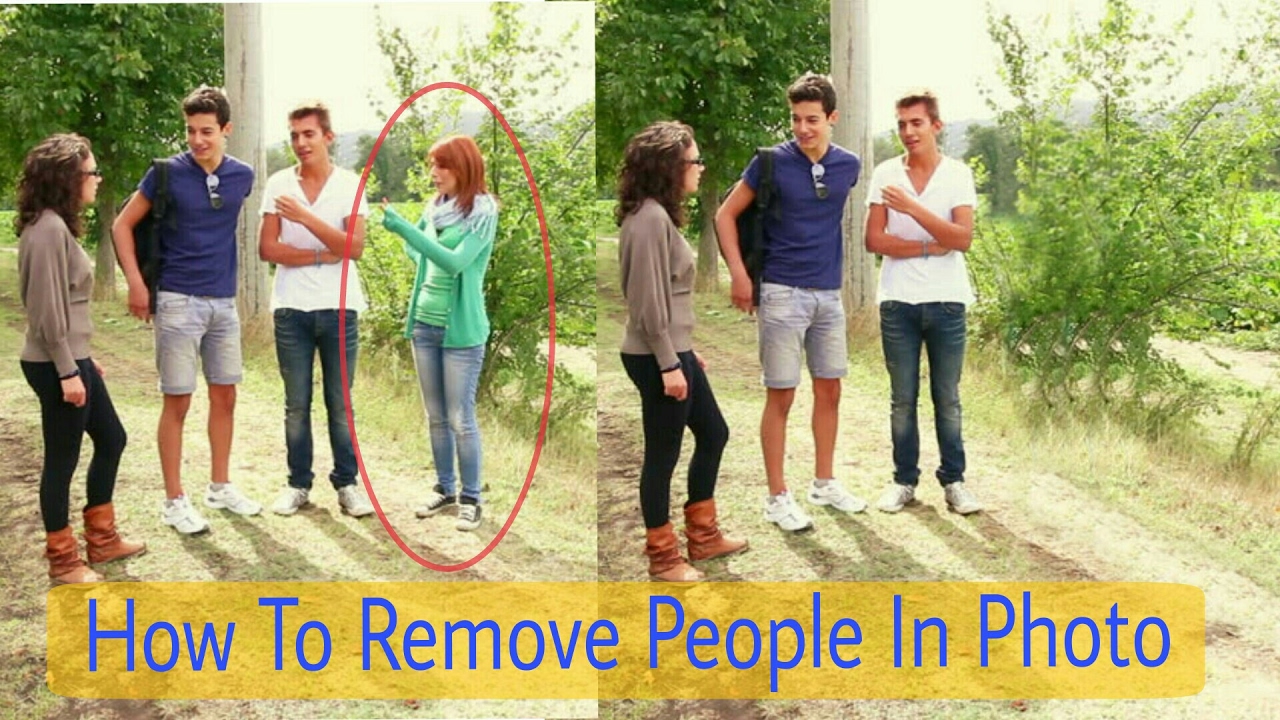
For many years if we wanted to remove someone from a photo we had to use scissors. Of course when looking through a photo album it became quite clear that something had been altered. People my age generally assumed that a photo was an accurate depiction of an event. If someone was missing it was because they had been literally cut out.

While many of my readers are well aware of the abilities of Photoshop and other editing software to alter images, many older people are not. To the uneducated eye, the photo on the right is as true a depiction of a gathering as the one on the left. Photoshop has removed the shadow of the far right person and filled in the space with grass resembling the rest of the landscape. Now she was never there. But more damaging is the same ability to insert someone into a photo. Now suddenly Obama is talking to terrorists thanks to Photoshop. And many older Americans will believe it because they trust that seeing is believing.

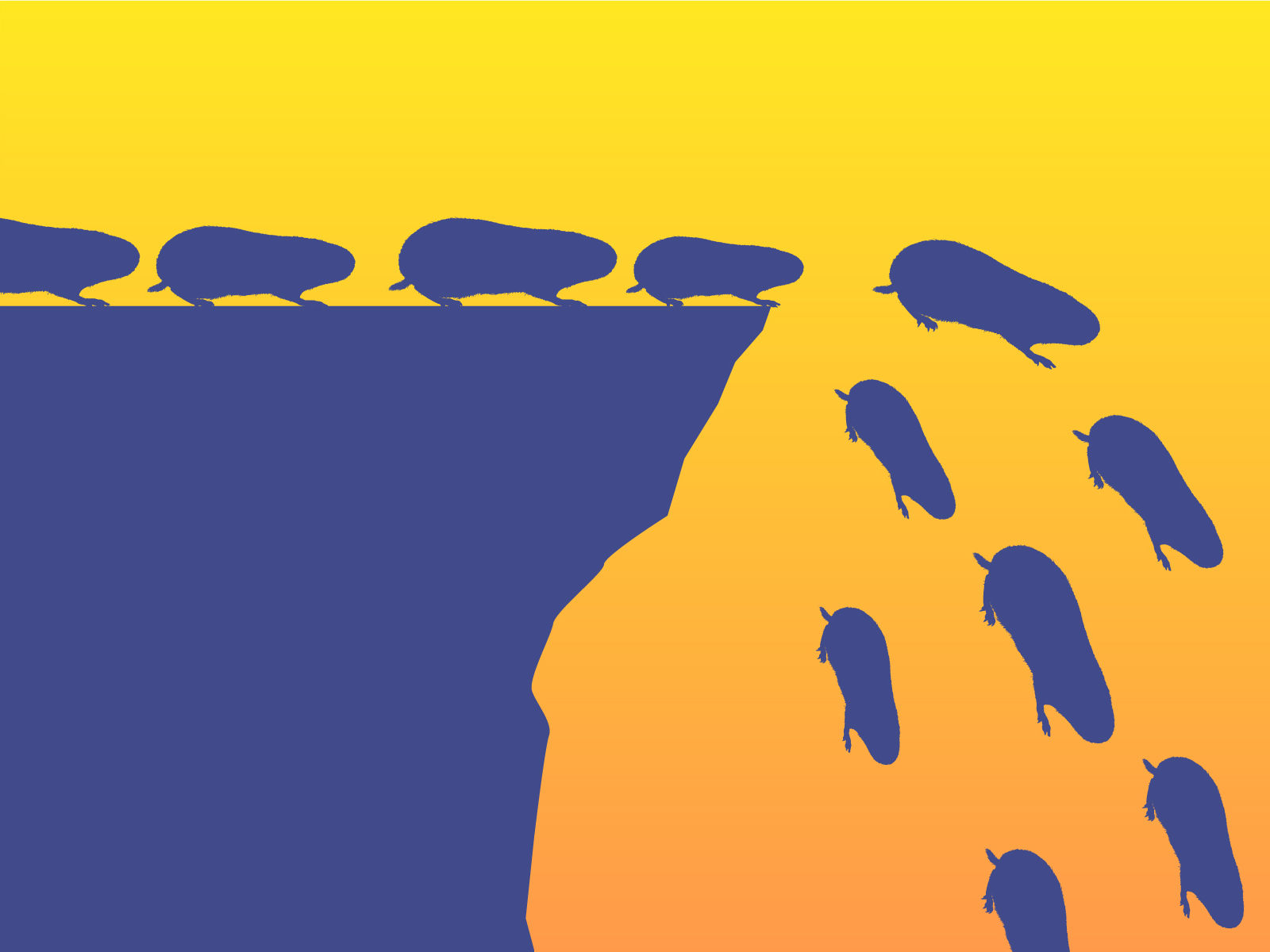
We are the generation propagandists have heretofore only dreamt of.

“Consider the Source”

In a time filled with speculations, tweets, Facebook posts, sound bites and 24 hour news cycles, it is easy to become lazy about identifying sources. We hear so much about “an insider” or “someone at the company” that we can forget that actual source material remains important. At the moment I am reading a history of the immigration policy of the United States from 1924-1965. One Mighty and Irresistible Tide by Jia Lynn Yang, copyright 2020, is, I am happy to report well edited.

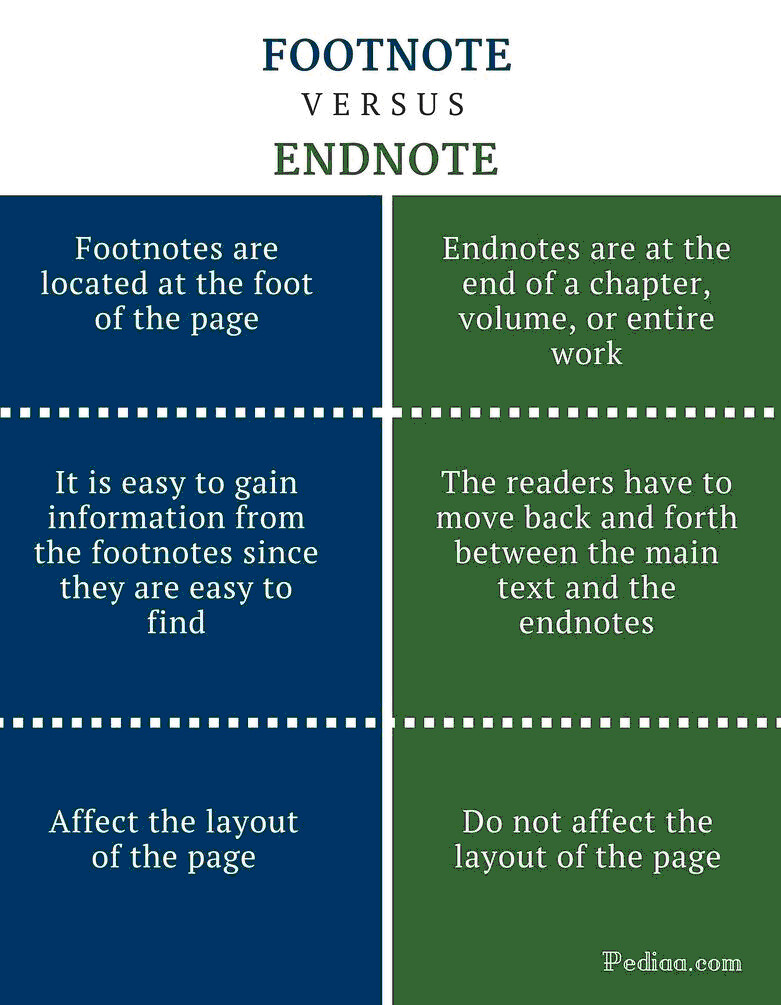
But more important in the present climate of half baked ideas and carelessly thrown out opinions, Yang has not only done her research but also included endnotes and a thorough bibliography. This allows the reader to check the author’s sources of information and, if desired, read them for herself. Footnotes may annoy readers since they “affect the layout of the page.” Endnotes may annoy readers since “the readers have to move back and forth between the main text and the endnotes.” And in both cases the reader can forgo reading them. A bibliography can seem like a lengthy boast of the author to intimidate the reader about the writer’s lengthy reading.

But after seeing too many poorly edited, poorly sourced books lately, I am grateful for the opportunity a writer such as Yang presents. I don’t have to read any further about immigration, nor do I have to question Yang’s conclusions. But she has provided me with the sources she has used. She welcomes me with her endnotes and bibliography to explore the subject further to my heart’s content. I might draw different conclusions from the same sources, but I will know she has thought deeply about them before reaching her own.

“Herd Insanity”

When the first large group of covid cases showed up in Connecticut, they were attributed to what is now called a “superspreader” event. In this case it was a large party, attended by over fifty people, who were exposed to someone with the virus and many of whom fell ill. At the time we had little or no knowledge of the transmission efficiency of this virus and hadn’t yet issued advice to the public. For a while we were just advised to stay away from each other and wash our hands often. In fact we were asked not to wear masks so they could be used by medical professionals.

In time the greatest risk factors were developed and general advice was given to the public to wear masks, wash hands frequently, stay out of bars, practice social distancing and avoid large indoor gatherings. My state government followed all these dictates and Connecticut has been able to hold its infection rate to among the lowest in the nation. We all still are to follow the advice first given in late spring to wear masks, stay six feet apart and wash our hands. Bars are still closed and indoor gatherings are limited in size.

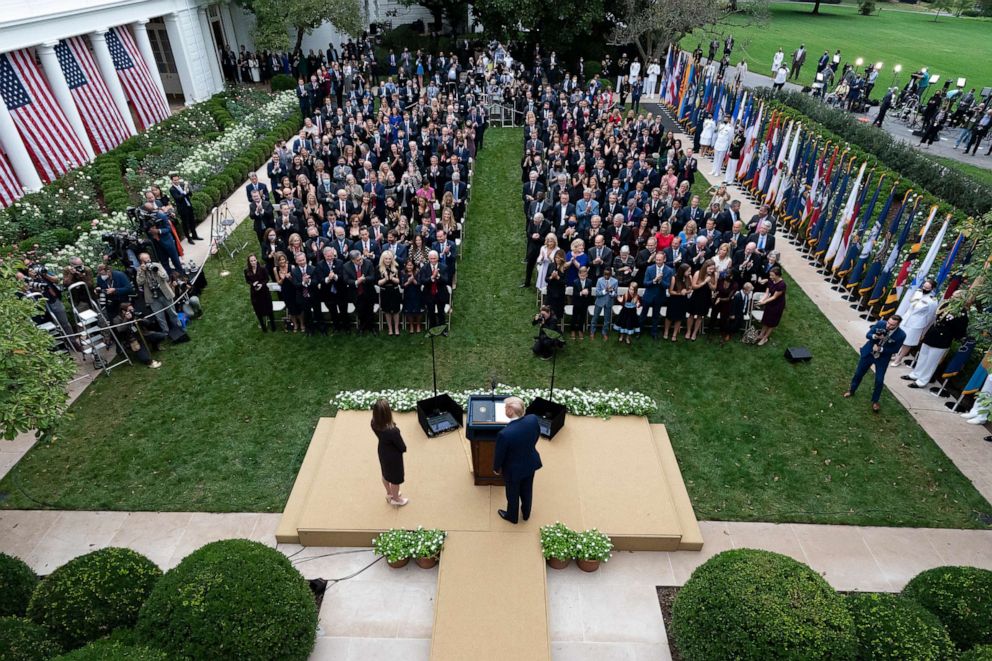
Tragically or foolishly depending on your view of things, the White House held what is now believed to be a “superspreader” event of its own to introduce a Supreme Court nominee to a gathering of leaders. As you can see from the photos, no social distance was provided and few wore masks. In a group setting where the guidelines were disregarded most attendees followed the “herd,” putting their own and their families at risk. Many attendees, including the leader of the United States, caught covid.

As a country we deal with a virus grievously out of control, felling some 40,000 people a day with our death toll over 200,000. Next time you feel peer pressure to be like the others in a social setting, take a deep breath(far back from the crowd) and just say no.

“Natural Consequences”

I hope that the President fully recovers from the covid virus that he has now contracted. There are no sounds of rejoicing on my end. But I have often thought of Oedipus and Icarus as Trump insisted that he wouldn’t wear a mask despite endless recommendations from medical and scientific professionals. Sadly the press reports that many people in the White House, out of deference to his disdain of masks, also failed to wear them.

There are reports lately of “pandemic fatigue,” prompting people to forgo masks and social distancing. I tried to imagine people in England complaining of “bombing fatique” and deciding to end blackout curtains. Somehow despite the occasional use of the word “war” in relation to the virus, many people still don’t recognize the need to follow common sense recommendations to combat the “enemy.”

As a parent I had many opportunities to recognize natural consequences, those that follow as a matter of course from certain behaviors. Forgo dinner and you will get hungry later. Stay up too late watching television and you may be underprepared for a school test. And sometimes, despite grumbling, I said the natural consequence of not buckling a seat belt meant I wasn’t starting the car.

The virus now rampant in the United States is apolitical. We have very few ways to prevent its spread, but we do have them. Wear masks. Socially distance. Wash hands. Stay out of bars. Avoid indoor crowded conditions. None of us is too important or too tired or too annoyed to do any less.

“Missing In Action”

I have been reading a memoir reviewed in what I thought were trustworthy columns as “mesmerizing,” “enthralling,” “incisive,” “illuminating,” and “revelatory.” Meanwhile I have been raving to my poor husband “this book needs an editor!” I have come to expect that many self-published books could have used a good editor, but this was put out by a mainstream publishing house. The author even thanks two editors. I think they were overpaid.

I am not naming the book in question, but rather using it as an example of the importance of knowledgeable editors seriously helping authors shape and refine their work. The book’s concept did in fact promise to deliver the adjectives reviewers used to describe it. Sadly, the actual execution left much to be desired. Perhaps the reviewers read only the book jacket.

James Dickey, the late American poet, said that he “worked on poems to take the worked-on quality out of them.” The finished piece might look effortless, but much revision had taken place to achieve that effect. A good editor can wrestle a meandering book into a coherent whole. When a book has been well edited, the reader no longer has to labor to follow the narrative, but can use her mind to ponder the issues presented.

I used to tell my students that if they had to work too hard to follow an author’s work, the blame might lay with the author. My students always assumed they were deficient in some way. The next time any of you throw down a book in disgust, consider that it might have needed an editor. And that editor shouldn’t have to be the reader!

“Last But Not Least”

Fall here means a winding down for many plants. As you can see, the zinnias on the right have become quite rusty and many of their seeds have been eaten by birds. Scattered on the ground to the left and sprinkled among the asters are the first leaves fallen from the cherry tree. The lush purple asters themselves have seemingly waited for just this moment to begin to open. All arrive on their own timetable in the garden.

I was reminiscing with my grandchildren the other night over my grandson’s outdoor birthday dinner. They wanted to know when I stopped growing, an issue much on the mind of the 11 year old. A more apt question might have been when did I start growing. I was a very very late bloomer, much like the aster plant. I entered high school at 4’10”, a good half foot shorter than most of my peers. I didn’t hit my adult height of 5’4″ until I was 17. Another case of last but not least.

The original aster plant was a free offer from a televangelist. I didn’t follow the man, but I did accept the plant. It has thrived as his empire has collapsed. I imagine there is a metaphor there. I hope so.

“Wherefore Art Thou?”

I have been writing my blog for over four years, and I have become aware that a variety of people start, continue or stop their blogs. At first I followed the writers who had found my posts and commented on them. As I found writers I enjoyed, I found new blogs by reading the comments posted on blogs I followed. I blog not only to have a chance to express myself, but more importantly to have a chance to interact with writers around the world. So active comments matter to me.

So while many blogs disappear, when I no longer receive posts from ones I follow, I wonder what happened.

What happened to the thoughtful young man from Kashmir? I wrote back and forth to him and learned much about the military presence in Kashmir and its affects on students such as him. His views led me to learn more about the complicated history between Kashmir and the larger Indian nation. I also learned more about the partition in 1947 creating the separate nation of Pakistan. Nothing is simple in conflicts in Kashmir, and I began to understand that. His presence came and went as internet access was cut off to his province. But eventually he stopped writing.

What happened to the philosophy scholar from Turkey? She wrote long thoughtful essays on challenging philosophical issues. Was she affected by the turmoil around Universities in Turkey? She quit writing without an explanation.

What about the stressed mother dealing with a child’s medical challenges? Her posts exposed me to language disabilities I had never before known. She tirelessly worked to get help for her daughter. Did she find another way to share her experience?

I have come to expect that however much we have engaged in the back and forth around our writings, my correspondents may vanish. It hasn’t stopped me from connecting, but it does leave me wondering.

“A Is For Apple”

I grew up reading Edward Lear’s nonsense poetry. I gained a love of limericks, imagined the owl and the pussycat in love, and memorized an alphabet series beginning with “A was once an Apple Pie, pidy, widy, tidy, pidy, nice insidy Apple Pie.” An early illustration for the poem is on the left above. Silly for sure, but it really does roll off the tongue in a satisfying way. My grandfather loved such word play and had us also learn a counting rhyme beginning with “One old ox opening oysters.”

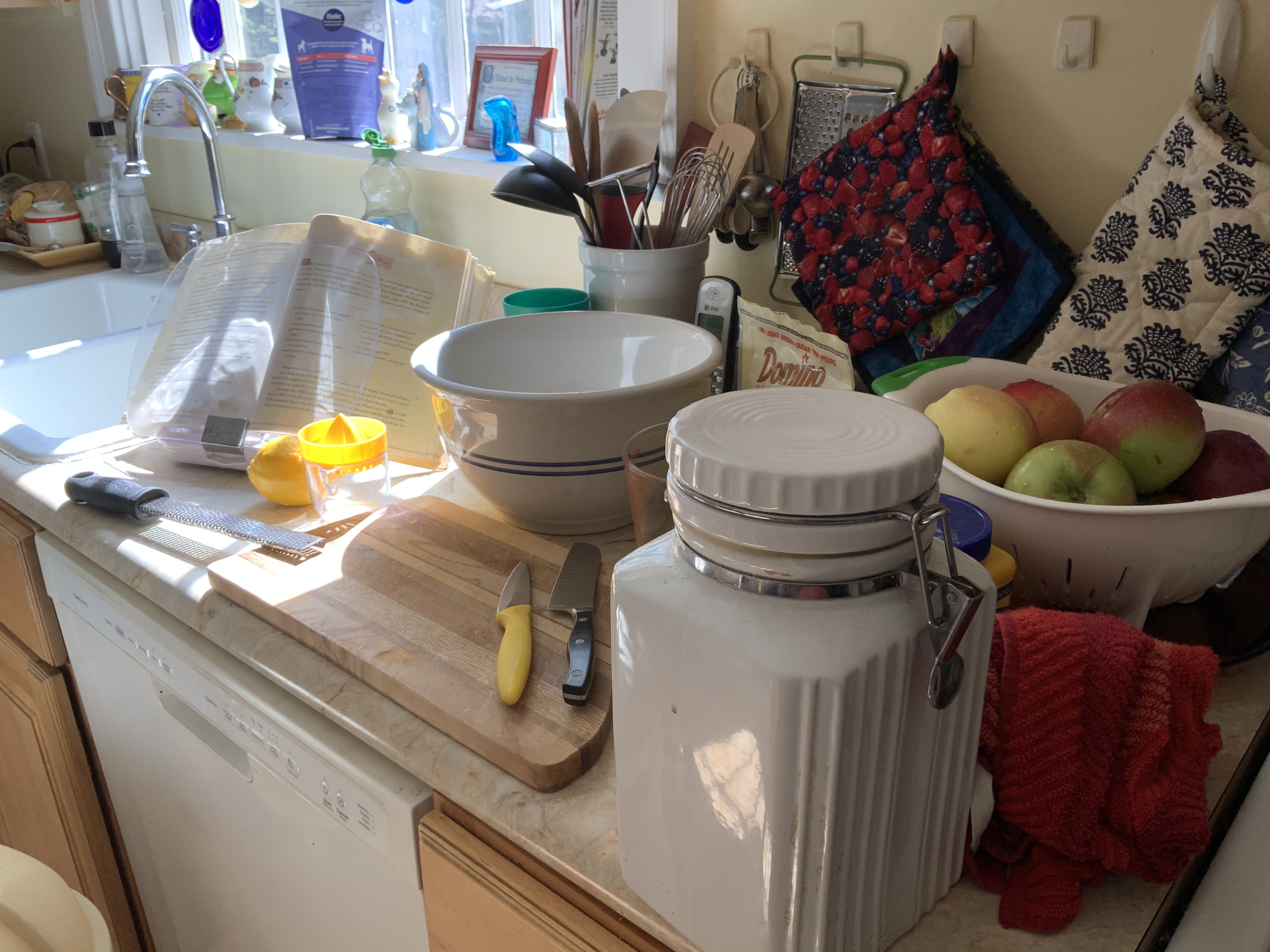
I make pies three specific times a year. Earlier I showed you the peach blueberry pie I do when the two fruits are ripe in season. Then in September I make an apple pie with several varieties of apples from the local farmer. In December I bake two pumpkin and one mincemeat pies. This morning it was the September apple pie with Macintosh, Cortland and Gala apples. Above the photo on the right shows the tools and fruit laid out for the pie. I would show you the finished product but it has already been 1/3 eaten. I didn’t take a picture quickly enough! At least this time it was Charlie, not our Australian Shepherd who ate it. A few years ago she got on her hind legs, pulled the cooling rack over to the edge of the counter, and ate out the middle of the pie. I guess she didn’t care for the crust.

The weather is below 40 at night and into the 70’s in the day time. Lovely fall weather with an evening chill brings us back into the house sooner than last month. Winter approaches slowly, but the change in temperature reminds us that it is approaching.

“Out Damned Spot Out.”

Lady Macbeth

I guess I had Shakespeare on my mind this morning when I was doing the laundry. As I poured bleach into the whites, I thought about Lady Macbeth’s totally unrelated to my actual situation plea “out damned spot out.”

I have had enough of political grief lately, so my thoughts didn’t go too far thinking about Trump’s ideas of using bleach to kill covid, nor about those people who drank it for that reason. Clorox even had to warn adults not to drink bleach. Oops, I guess they went that way for too long. Then I remembered how hard it was to even buy bleach and now how its price has skyrocketed. That was discouraging too.

Then I let the smell of bleach take me to better times. I learned to swim in a chlorinated cold water indoor pool. My first association with smelling like bleach was when I finally got out of that nightmare and put on dry clothes. The smell lingered and reminded me of how much I hated learning to swim. That wasn’t any more encouraging!

But wait. I suddenly remembered a long ago love who swam laps every morning. He always smelled sweetly of bleach. Finally I had found a good free association!

What has any of this to do with Lady Macbeth? Very little as it turns out, but it does give you an unasked for peek into my covid brain.